Australia



Property security forms the backbone of most Australian lending. Whether you're buying your first home or expanding your business, understanding how lenders assess property security helps you prepare stronger applications and access better terms.
Security protects lenders against loss while giving borrowers access to larger loan amounts at lower interest rates. Different property types carry varying risk profiles, directly affecting your borrowing capacity and loan conditions.
What Is Property Security?
Property security is a registered mortgage over real estate that secures your loan repayment. In Australia, this creates a statutory charge on the land title, giving the lender legal rights to recover their money if you default.
Most property security arrangements include personal guarantees from directors or business owners. These guarantees extend your liability beyond the property value itself.
Lenders also establish General Security Agreements covering business assets and related entities that contribute to loan serviceability. This layered approach protects the lender's position across your entire financial structure.
Residential Property as Security
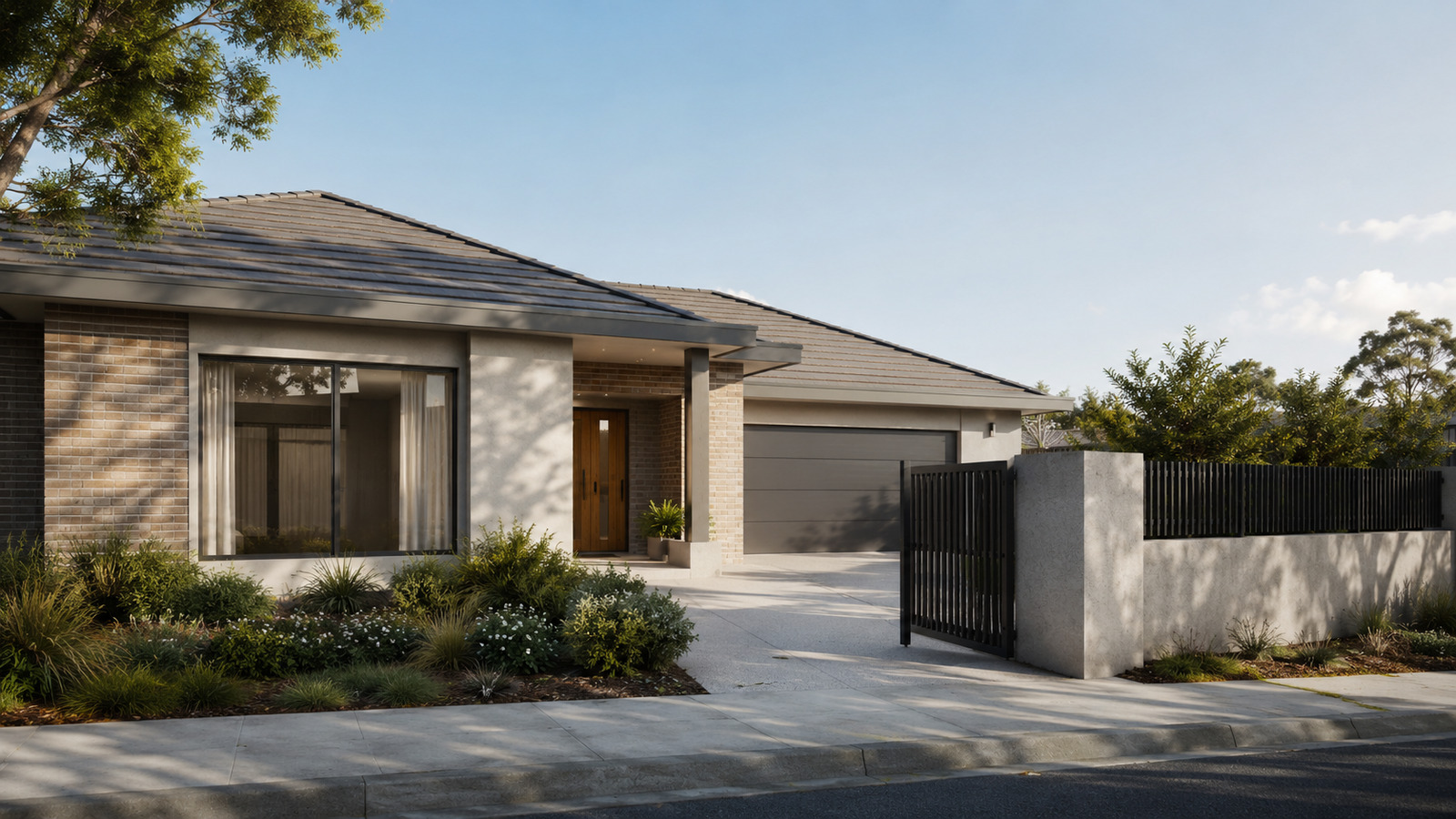
Using your home as security for business lending often delivers better rates and higher borrowing limits than unsecured facilities. Residential property typically offers stable valuations and strong resale markets, making it attractive security for lenders.
Most lenders will advance up to 80% of residential property value for business purposes. Some specialist lenders extend this to 90% for established businesses with strong cash flow. LVR limits vary by lender and are subject to individual assessment.
Residential security works particularly well for:
- Business equipment purchases
- Working capital facilities
- Commercial property deposits
- Debt consolidation
The main risk involves mixing personal and business debt. If your business struggles, your family home becomes vulnerable to recovery action.
Ready to discuss your options? Book a Strategy Session with Key Choice Lending.
Standard Commercial Property Security
Standard commercial properties offer the most lending options and competitive terms. These properties have broad market appeal and established valuation benchmarks, reducing lender risk.
Commercial Offices
Office buildings in metropolitan areas with good transport links attract most lenders. Multi-tenanted buildings with diverse income streams typically secure better terms than single-tenant properties.
Lenders advance 65-75% against office values, depending on location, lease quality, and building condition. Premium grade buildings in CBD locations command the highest LVRs. LVR limits vary by lender and are subject to individual assessment.
Warehouses and Factories
Industrial properties with standard specifications appeal to most commercial lenders. Clear span warehouses with good truck access and adequate car parking perform best.
Manufacturing facilities require specialist assessment due to potential contamination risks. Environmental reports become mandatory for most industrial lending above $2 million.
Retail Premises
Retail lending focuses heavily on location and tenant quality. Shopping centres and strip retail with national tenants secure better terms than single-use retail buildings.
Lenders typically advance 60-70% against retail values. Properties anchored by major supermarkets or national chains command premium pricing. Fees and rates vary by lender and are subject to change.
Specialised Commercial Property Security
Specialised properties serve specific purposes, limiting their resale market. This narrow appeal increases lender risk and typically results in lower LVRs and higher interest rates.
Accommodation Properties
Motels, hotels, and caravan parks require operational expertise to maintain value. Most mainstream lenders avoid these properties due to management complexity and cyclical income patterns.
Specialist hospitality lenders advance 50-65% against accommodation properties. They assess both property value and business performance when structuring loans. Assessment criteria may include occupancy rates, seasonal variations, and local tourism trends.
Agricultural Properties
Farms carry commodity price risk and weather exposure. Rural lending requires specialist knowledge of soil types, water rights, and local market conditions.
Agricultural lenders typically advance 50-70% against rural property values. They often require detailed business plans and cash flow projections extending several seasons. Climate data and water security assessments may also form part of the evaluation process.
Childcare and Aged Care Facilities
Purpose-built care facilities have limited alternative uses. Regulatory requirements and operational complexity make these properties challenging to refinance or sell quickly.
Specialist lenders in this sector focus on operator experience and regulatory compliance. Loan terms often include ongoing compliance monitoring and regular business reviews. Government funding changes can affect these property valuations.
How Property Type Affects Your Loan
Property classification directly impacts your borrowing terms. Standard properties typically offer:
- Higher loan-to-value ratios
- More competitive interest rates
- Faster approval timeframes
- Greater lender choice
Specialised properties often require:
- Lower loan-to-value ratios
- Higher interest rate margins
- Longer assessment periods
- Specialist lender expertise
Your mortgage broker can help identify which lenders work best with your specific property type before you submit applications. Market conditions and lender appetite can change, affecting available terms across different property categories.
Preparing Property Security Documentation
Lenders require detailed property information before approving security. Standard documentation includes:
- Current market valuation
- Property title search
- Planning certificates
- Insurance valuations
- Environmental reports (where applicable)
Commercial properties need additional documentation covering lease agreements, rental rolls, and operating expense statements. Your broker can provide complete checklists specific to your property type.
Fees vary by lender and are subject to change — confirm current pricing with your broker. Valuation costs typically range from $500 for residential properties to $5,000+ for complex commercial assets.
Making Property Security Work for You
Property security opens doors to larger loan amounts and better interest rates across both personal and business lending. Understanding how lenders assess different property types helps you structure applications effectively.
Standard residential and commercial properties offer the most flexibility and competitive terms. Specialised properties can still secure financing but typically require specialist lenders and more detailed business cases.
Your choice of security property affects your loan structure, interest rates, and ongoing obligations. An experienced broker can compare options across multiple lenders to find the best fit for your situation. Market timing and property location may also influence available lending terms.
Key Choice Lending has access to 72+ lenders and has supported Australian borrowers through more than $1 billion in transactions. Founder Matthew Clark is a two-time Amazon bestselling author and Better Business Award winner.
Book a Strategy Session - no obligation, focused on your situation.
The information provided in this blog is for educational purposes only and should not be considered financial advice. Always consult with a professional financial advisor or lender for specific lending decisions.