Australia


Specialist Disability Accommodation generates rental yields that standard residential investment rarely approaches. The income is government-funded through the National Disability Insurance Scheme, paid consistently, and supported by a scheme with a large identified unmet demand.
It also requires a compliance framework, specialist tenancy management, and scheme dependency that most investors don't fully understand before committing.
This article explains the fundamentals. SDA investment requires independent financial advice from a licensed financial adviser — KCL's role is specifically the lending component.
What SDA Is
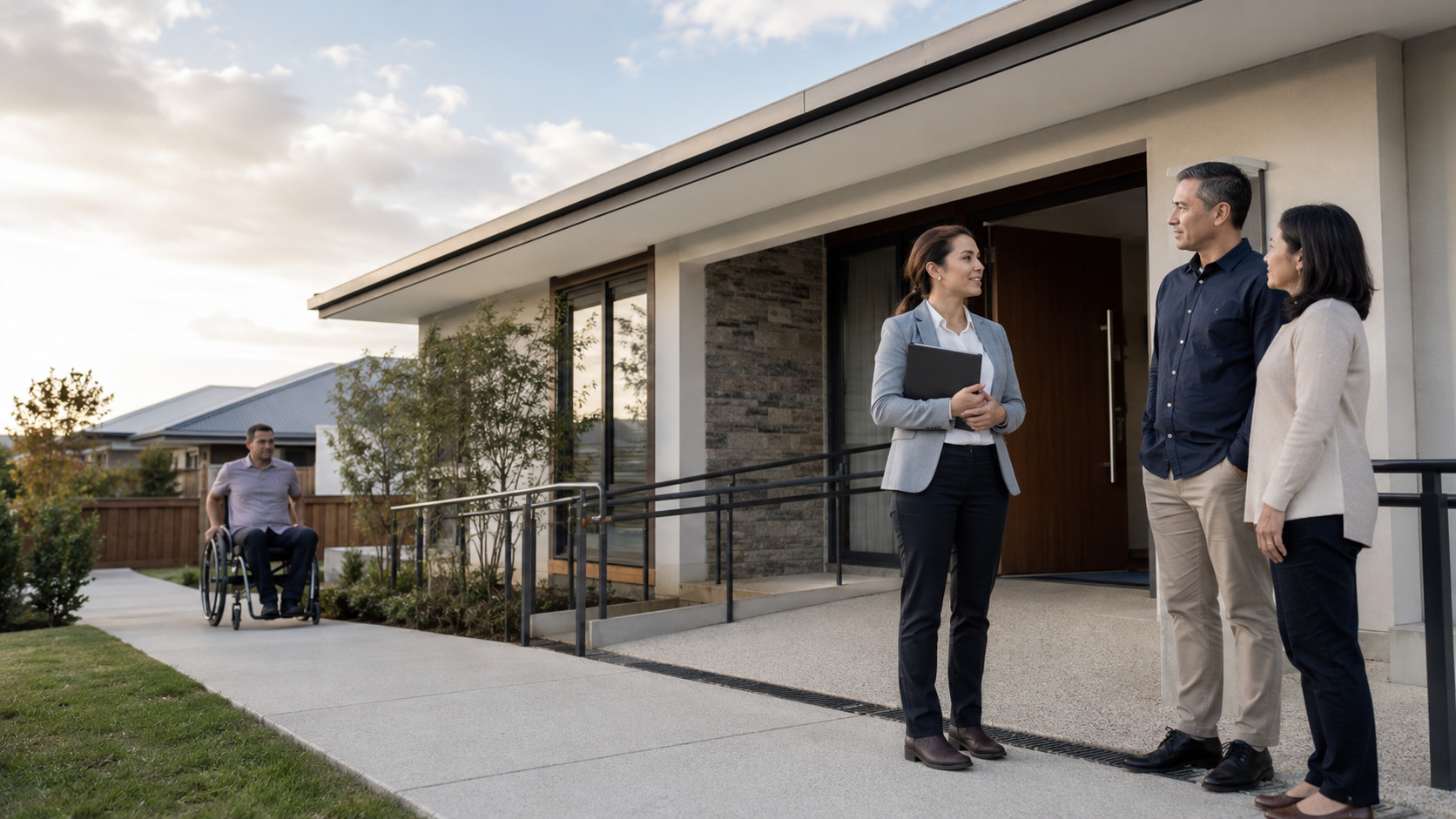
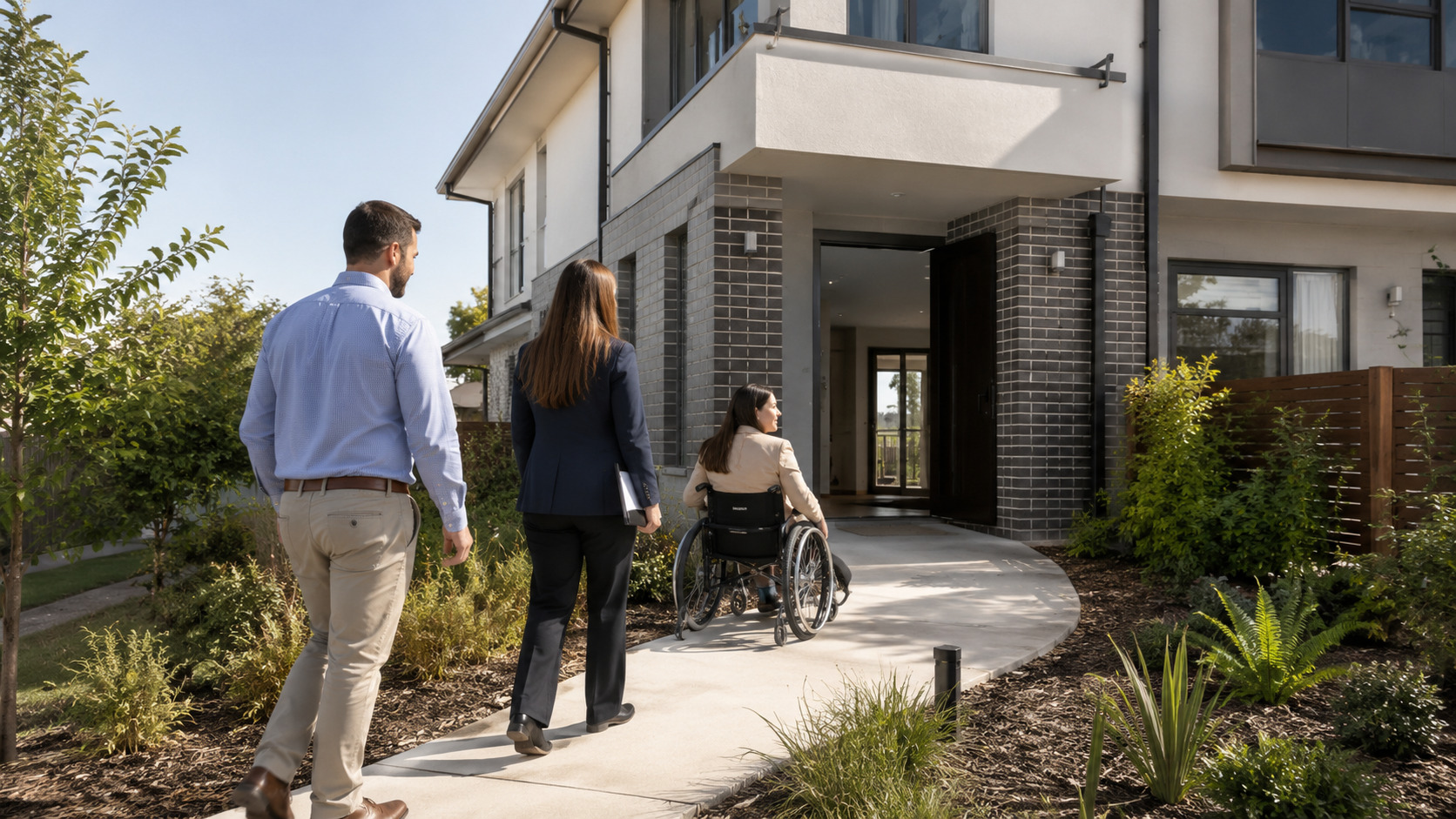
Specialist Disability Accommodation is purpose-built housing designed to meet the specific physical and daily living needs of NDIS participants with extreme functional impairment or very high support needs. It is not general disability housing — it is a specific, regulated category within the NDIS framework.
SDA is funded by the NDIS. Eligible participants receive an SDA allowance in their NDIS plan that covers the housing component of their support — the payment goes directly to the registered SDA provider, not to the participant. The provider then pays the investor (the property owner) under a management agreement.
This funding structure is why SDA yields are higher than standard residential investment. The income is not rent paid by a tenant from personal income — it is an NDIS scheme payment funded by the federal government and calculated on the capital cost of the dwelling.
The Four SDA Design Categories
All SDA dwellings must meet one of four design categories, each specifying different accessibility and structural requirements. The category determines the NDIS payment rate — and the construction cost.
Improved Liveability: Features that improve the physical environment for participants with sensory, intellectual, or cognitive impairment. Lower NDIS payment rate. Lower construction cost premium.
Fully Accessible: Full wheelchair accessibility throughout the dwelling. Wider doorways, accessible bathrooms, level-entry design. Moderate NDIS payment rate.
Designed for participants with extreme behaviour support needs. Reinforced construction, specialist fixtures, safety features. Higher construction cost. Higher payment rate.
High Physical Support: The highest-specification category. Ceiling hoists, emergency call systems, automated entry, specialist bathroom fittings. Highest NDIS payment rate. Highest construction cost. Narrowest eligible tenant pool.
NDIS SDA payment rates are set by the NDIS Pricing Arrangements and Price Limits, updated periodically. Confirm current payment rates at ndis.gov.au before modelling any investment return.
Eligibility criteria and thresholds are subject to change — confirm current rules with the relevant authority.
Talk to Key Choice Lending about your options.
Key Choice Lending has access to 72+ lenders and has supported Australian borrowers through more than $1 billion in transactions. Founder Matthew Clark is a two-time Amazon bestselling author and Better Business Awards winner. Book a Strategy Session — no obligation, focused on your situation.
Why Yields Are Higher Than Standard Residential
The NDIS SDA payment is calculated as a return on the capital cost of the dwelling — not on the market rental value. This means:
- A $600,000 SDA dwelling might receive an annual SDA payment of $45,000–$80,000+ depending on the category and location
- The equivalent market rent for a comparable residential property might be $25,000–$35,000 per year
- The yield differential reflects the government's policy intent to incentivise supply of appropriately designed disability housing
The SDA payment covers the housing component only. Tenants pay a separate participant contribution from their own income toward the accommodation. Some tenants also have support workers funded through their NDIS plan who are on-site — these costs are entirely separate from the housing payment.
LVR limits vary by lender and are subject to individual assessment.
The Key Risks Investors Must Understand
Vacancy risk. SDA participants who require a specific dwelling type and location are a limited pool. A vacant SDA property in an area with limited eligible participants may remain vacant for extended periods. Vacancy rates for SDA are not comparable to standard residential vacancy rates.
Scheme dependency. SDA payments exist because the NDIS scheme funds them. Policy changes to NDIS funding, SDA payment rates, or eligibility criteria could affect the investment's financial position. This is sovereign risk — lower probability but higher impact than standard residential market risk.
Provider dependency. You cannot receive SDA payments without a registered SDA provider managing the tenancy. If your provider exits the market, loses registration, or performs poorly in sourcing participants, the investment underperforms. Provider selection is as important as property selection.
Illiquidity. The resale market for SDA properties is specialised — buyers must be investors willing to accept SDA obligations, lenders, and the ongoing compliance framework. Exit options are more limited than standard residential property.
The Two Things to Verify Before Considering Any SDA Investment
First: confirm the demand position in your target location. The NDIS publishes participant data by state and region. Areas with high participant populations and low existing SDA supply have the strongest demand fundamentals. Areas where significant new SDA supply is being developed may face future oversupply.
Second: obtain an independent rental appraisal and vacancy assessment from a registered SDA provider who is not connected to the developer selling the property. Developer-provided yield projections are not independent assessments. An independent provider review tells you what realistic occupancy and payment rates look like from the perspective of someone who manages participants — not someone who earns a commission from the sale.
These two verifications — demand data and an independent provider view — are the minimum due diligence for any SDA investment before engaging a financial adviser or lender.
Book a Strategy Session. Make the Move.
The information provided in this blog is for educational purposes only and should not be considered financial advice. Always consult with a professional financial advisor or lender for specific lending decisions.