Australia


Choosing the right SDA design category is as important as choosing the property location. Each category carries different construction costs, different NDIS payment rates, different eligible participant pools, and different vacancy risks.
Most investors approaching SDA for the first time assume they should target the highest payment rate. That is not always the right answer. Higher payments come with higher construction costs, narrower participant pools, and greater vacancy risk if the right participants are not identified before completion.
SDA investment requires independent financial advice. This article explains the four categories. It does not constitute financial advice.
The Four SDA Design Categories
All SDA dwellings must meet one of these four categories, as defined in the SDA Design Standard administered by the NDIS Quality and Safeguards Commission. The standard specifies the physical features required for each category.
1. Improved Liveability
Designed for participants with sensory, intellectual, or cognitive impairment. Features include improved lighting, reduced sensory triggers, clearer wayfinding, and design elements that support independent living for participants with these needs.
Construction cost premium over standard residential: approximately 5–15% depending on specification.
NDIS payment rate: lowest of the four categories.
Eligible participant pool: broadest — the largest number of NDIS participants have plans that include Improved Liveability as their SDA category.
Vacancy risk: lowest, relative to other SDA categories.
2. Fully Accessible
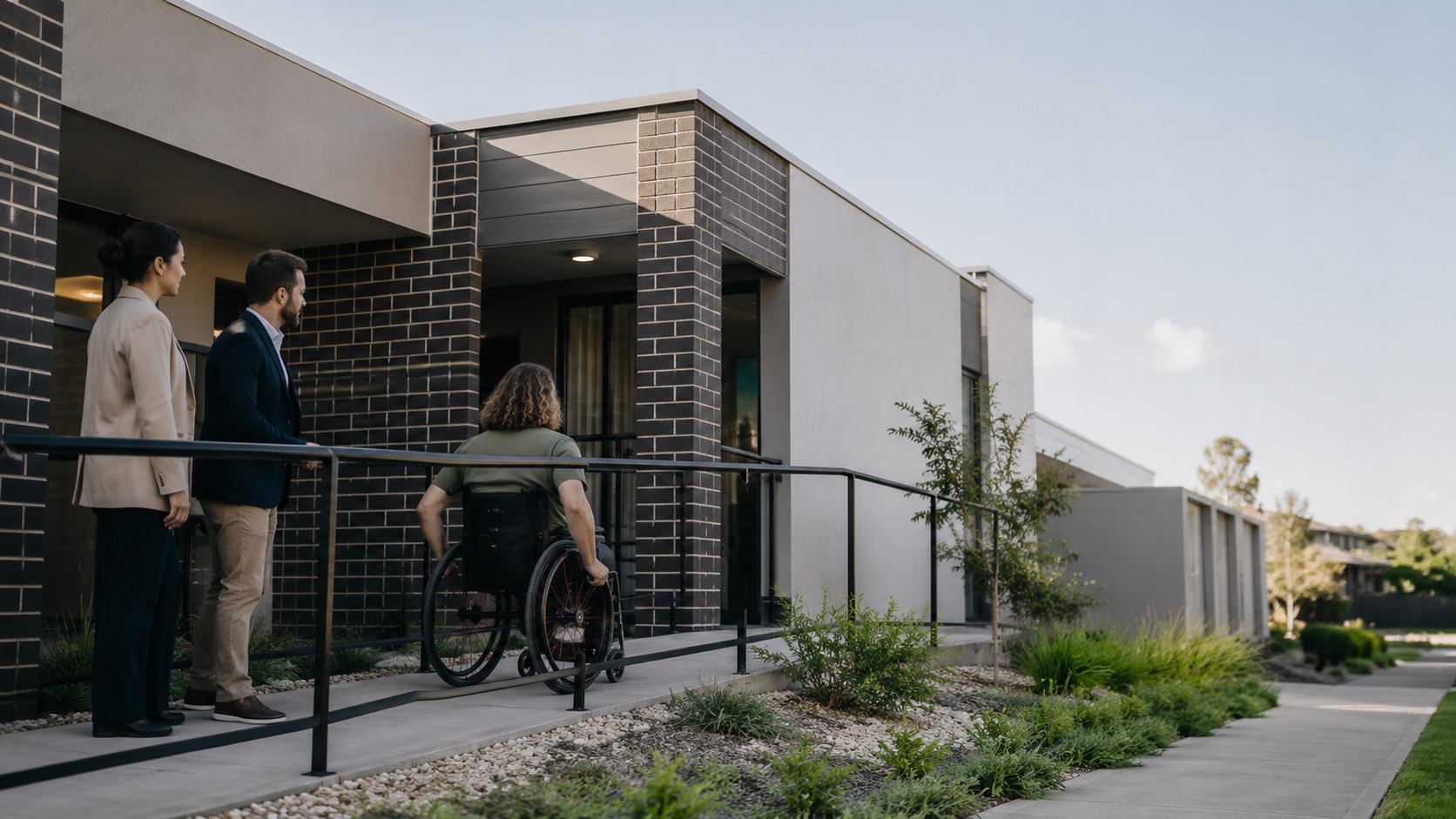
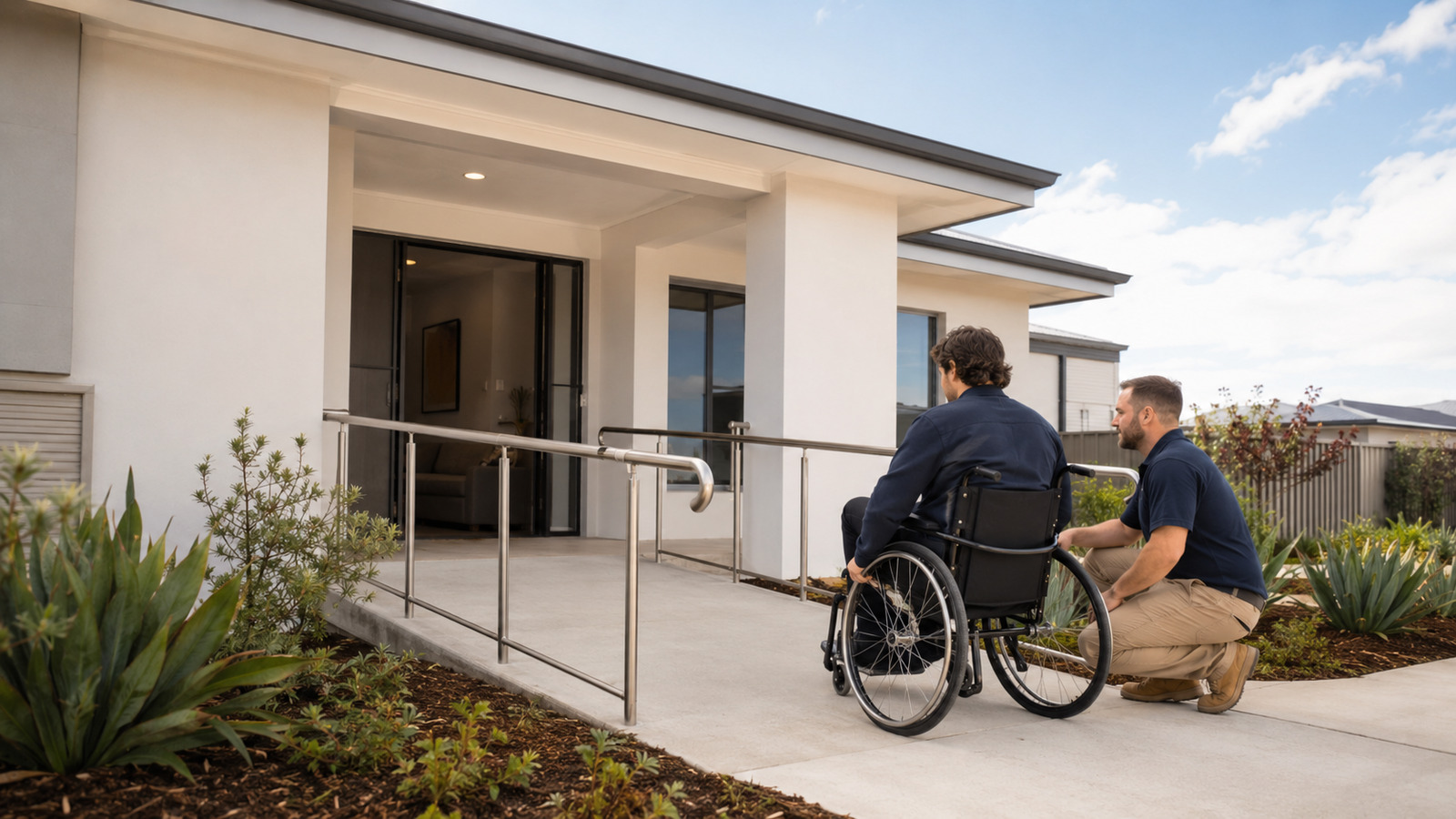
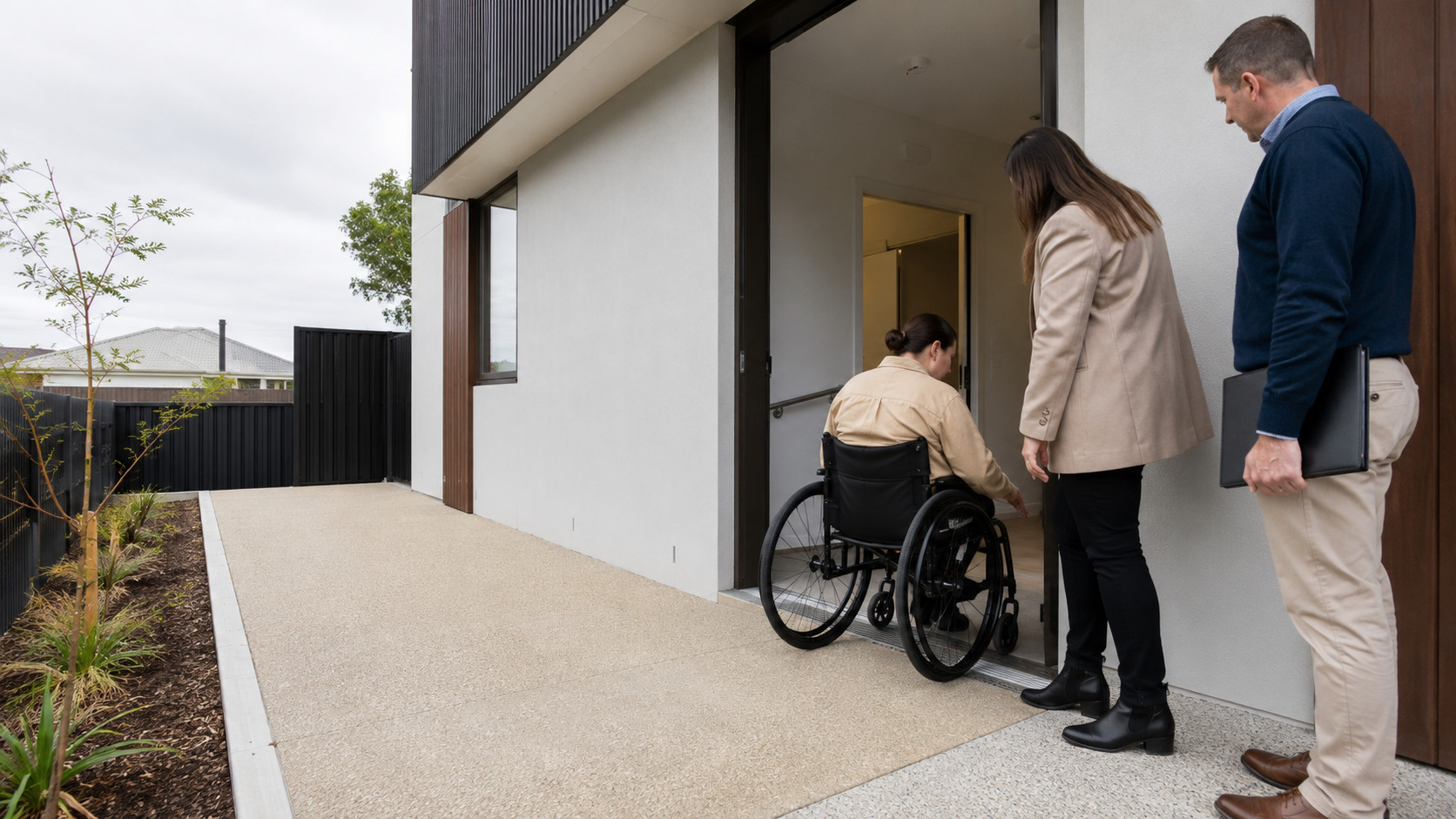
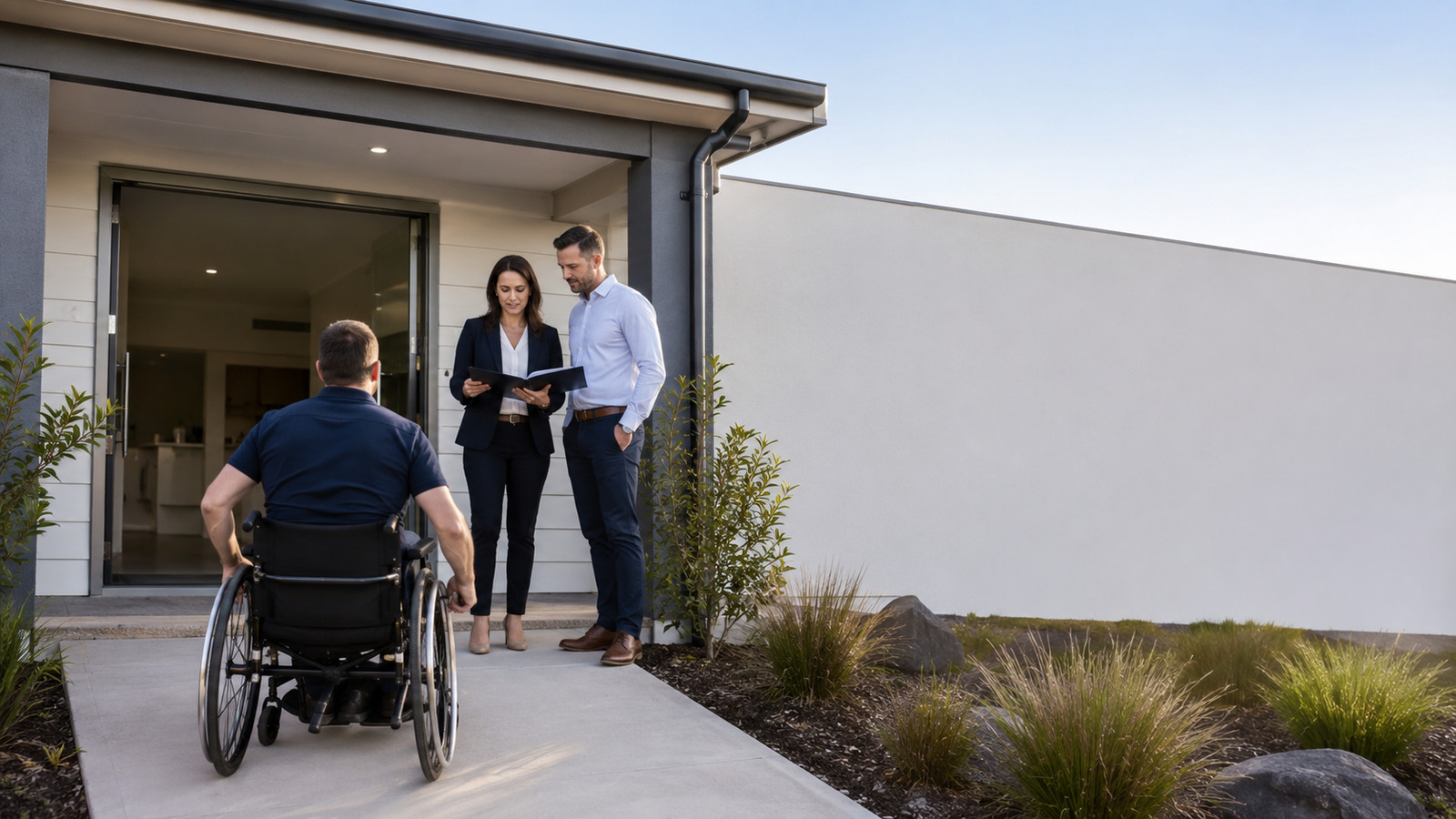
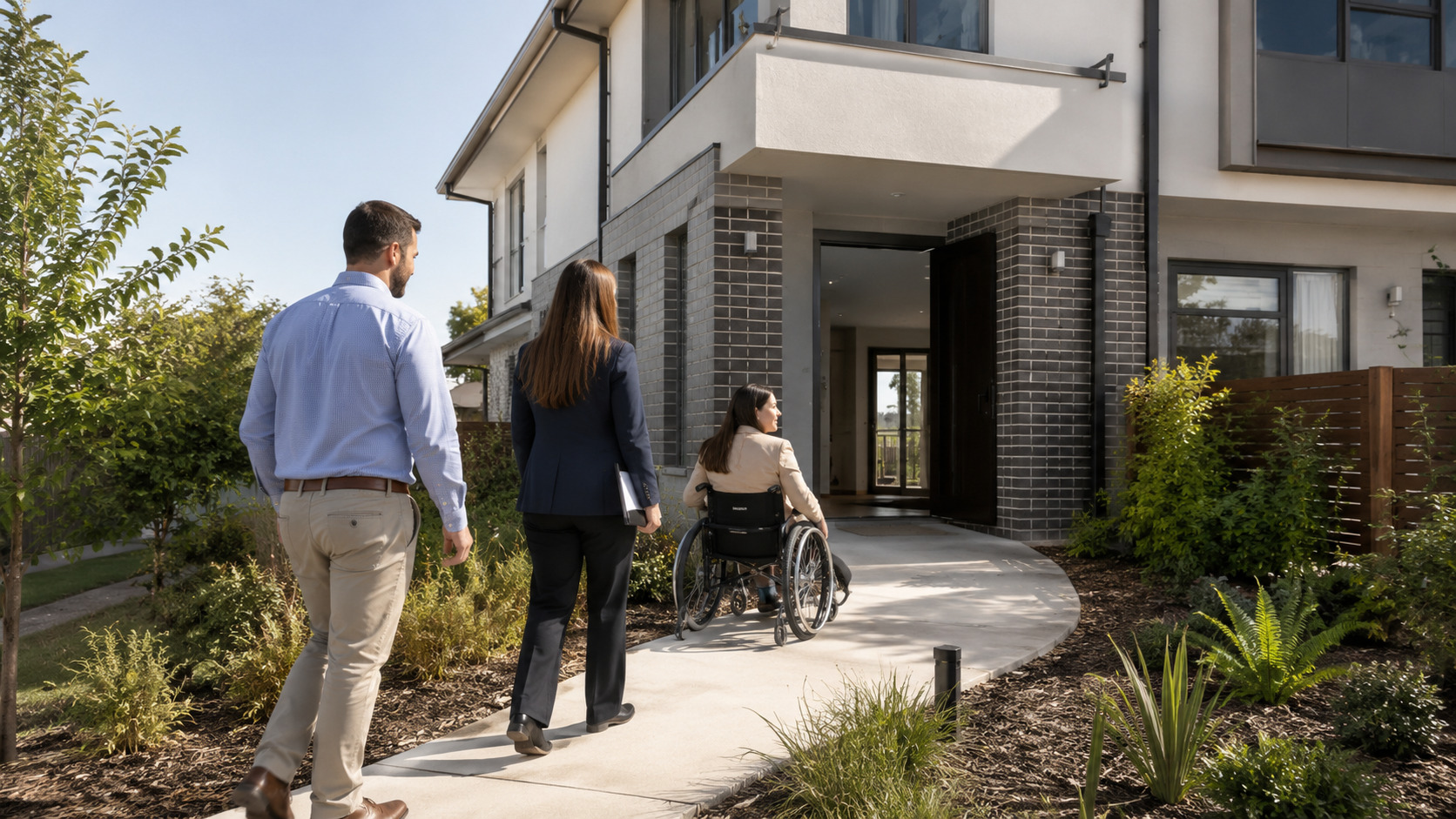
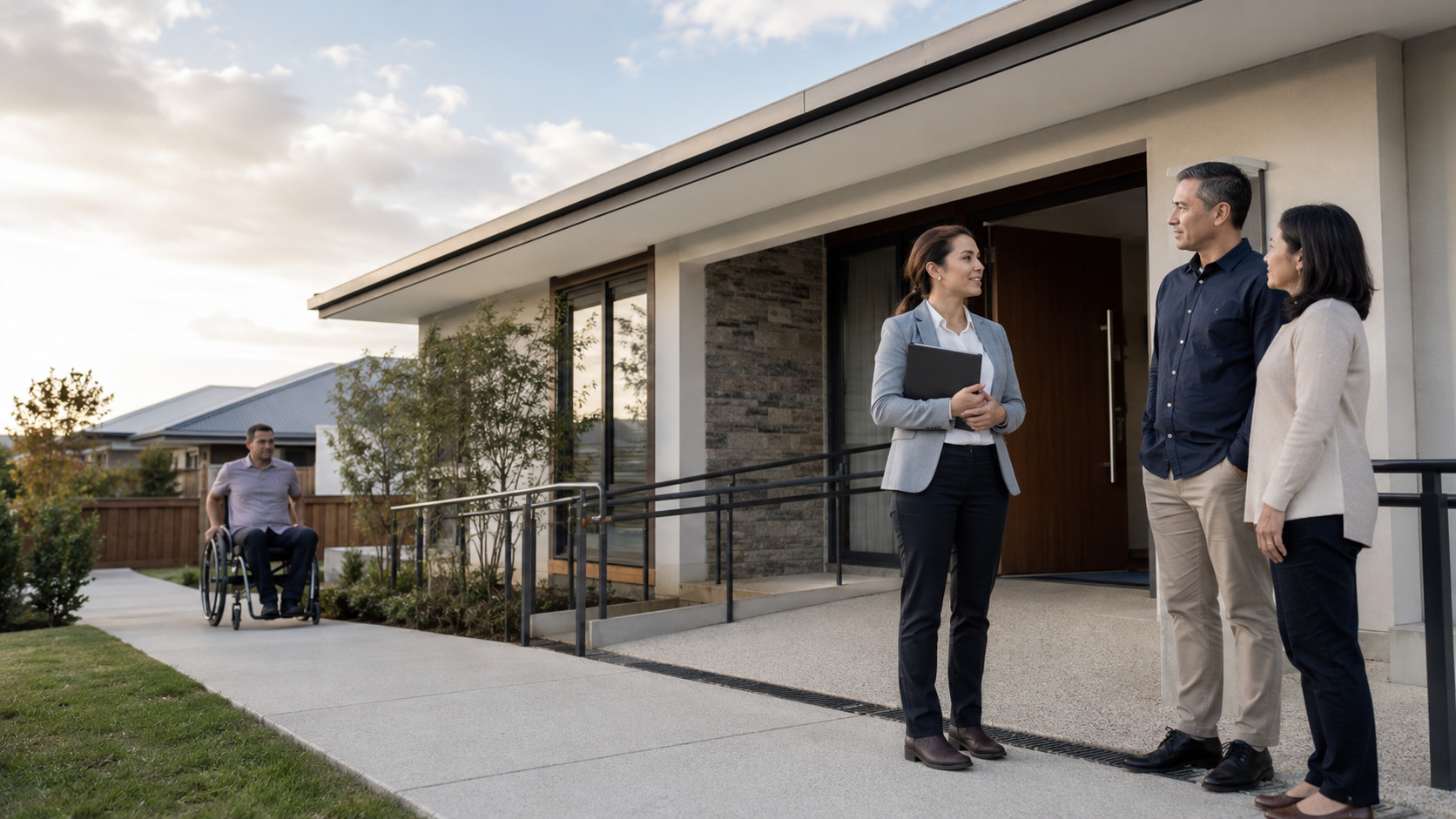
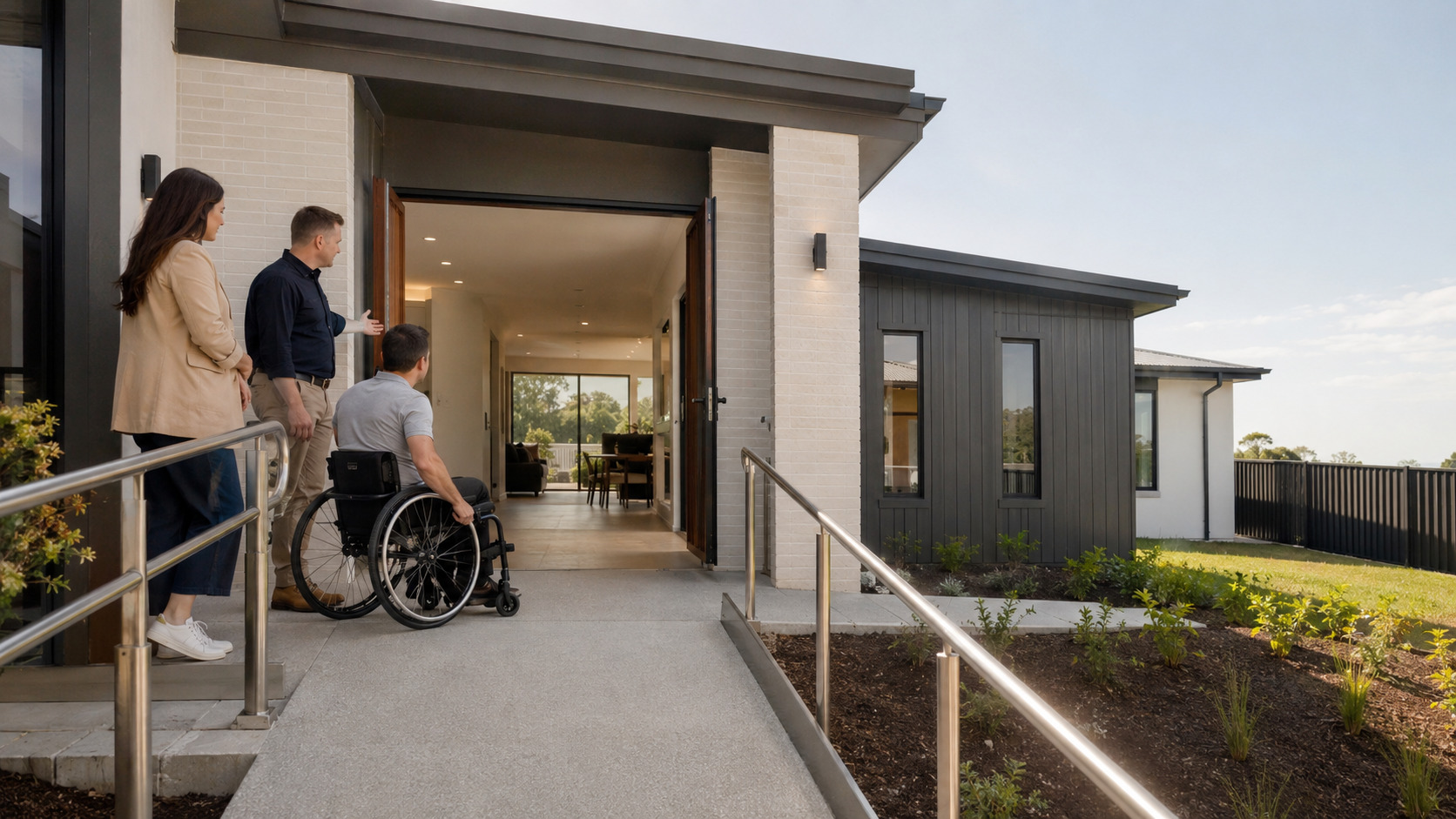
Full wheelchair accessibility throughout. Level-entry design, wider doorways and corridors, accessible bathroom with turning space, accessible kitchen design, accessible bedroom dimensions. Designed for participants with significant physical impairment requiring full wheelchair access.
Construction cost premium: approximately 10–20% over standard residential.
NDIS payment rate: moderate.
Eligible participant pool: participants with significant physical disability — a large and growing category.
Vacancy risk: moderate.
3. Robust
Designed for participants with extreme behaviour support needs — participants who may present challenging behaviours that could damage standard construction or pose safety risks. Features include reinforced construction, specialist fixtures, impact-resistant surfaces, and design elements that reduce environmental triggers.
Construction cost premium: approximately 25–40% over standard residential.
NDIS payment rate: higher than Improved Liveability and Fully Accessible.
Eligible participant pool: narrow — fewer participants have plans specifying Robust, and matching participant needs to property location requires specialist provider knowledge.
Vacancy risk: higher due to the specialised participant profile.
4. High Physical Support
The most complex and expensive category. Designed for participants with the highest physical support needs — typically those requiring 24-hour support. Features include ceiling hoists, emergency call systems, automated entry, specialist accessible bathrooms, generator backup, and home automation for environmental control.
Construction cost premium: approximately 40–70% over standard residential construction.
NDIS payment rate: highest of all four categories.
Eligible participant pool: narrowest — participants who require this level of physical support are a smaller proportion of the total SDA population.
Vacancy risk: can be high if the dwelling is in a location without sufficient eligible participants or without an established provider network.
NDIS SDA payment rates are updated periodically. Confirm current rates at ndis.gov.au before modelling any investment return.
Eligibility criteria and thresholds are subject to change — confirm current rules with the relevant authority.
Talk to Key Choice Lending about your options.
Key Choice Lending has access to 72+ lenders and has supported Australian borrowers through more than $1 billion in transactions. Founder Matthew Clark is a two-time Amazon bestselling author and Better Business Awards winner. Book a Strategy Session — no obligation, focused on your situation.
Comparing Categories: Yield vs Risk
| Category | Construction Premium | Payment Rate | Participant Pool | Vacancy Risk |
|---|---|---|---|---|
| Improved Liveability | 5–15% | Lowest | Broadest | Lowest |
| Fully Accessible | 10–20% | Moderate | Large | Moderate |
| Robust | 25–40% | Higher | Narrow | Higher |
| High Physical Support | 40–70% | Highest | Narrowest | Can be high |
The highest yield category is not necessarily the best investment. An Improved Liveability dwelling at a lower payment rate in a location with high participant demand and a strong provider network may deliver more consistent income than a High Physical Support dwelling at a higher rate in a location where suitable participants are difficult to identify.
LVR limits vary by lender and are subject to individual assessment.
The Certification Requirement
Every SDA dwelling must be formally certified by a registered SDA assessor before it can register as SDA with the NDIS and receive SDA payments. The certification confirms the dwelling meets the design standard for the specified category.
Certification is not a formality. If a dwelling does not meet the required standard, it does not receive SDA payments — regardless of how much was invested in construction. Design and construction to the correct standard, by a builder with documented SDA experience, is essential.
For off-the-plan purchases, request the builder's SDA design compliance documentation and ask who will certify the dwelling on completion before signing any contract.
The Location Question Matters Differently for Each Category
For Improved Liveability dwellings, proximity to standard disability support infrastructure — therapy services, community services, transport — is important. The participant pool is broad, but participants with sensory and cognitive impairment often benefit from being close to their existing support networks.
For High Physical Support dwellings, proximity to specialist medical services and 24-hour support infrastructure is critical. These participants require significant ongoing support, and their support workers need to be able to access the property efficiently.
Location strategy for SDA is not "buy where residential demand is high." It is "buy where the eligible participant population is concentrated and where your provider has active participant relationships."
The One Question to Ask the Developer Before Buying
Ask: for this specific category and location, how many eligible participants are currently on a waitlist for this type of accommodation with your registered provider? If the developer cannot produce an independent provider's view on participant demand — not a market report, not a yield projection, but an actual participant pipeline from a registered operator — that is the signal to seek an independent assessment before committing.
Supply without confirmed demand is just construction.
Book a Strategy Session. Make the Move.
The information provided in this blog is for educational purposes only and should not be considered financial advice. Always consult with a professional financial advisor or lender for specific lending decisions.